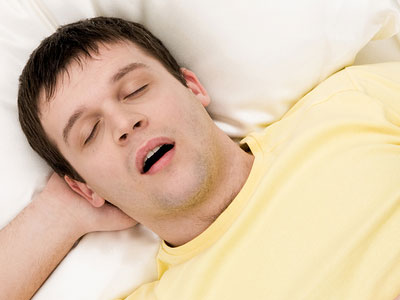
Sleep apnea can occur when the airway is obstructed and blocked for an extensive length of time. Complete blockage can cause multiple problems such as excessive snoring and breathing difficulties. Some patients are more vulnerable to experiencing these problems than others.
When the airway collapses, the blockage can result in symptoms pertaining to sleep apnea. There are three types of sleep apnea, which are central, obstructive, or mixed sleep apnea. Central means the body does not breathe due to the failure of the brain to instruct it to do so. Obstructive involves the repeated collapse of the upper airway during sleep. Obstructive is among the most common types of the disorder.
One third of the U.S. population have reported that they do not sleep well. Avoiding adequate sleep can have present and future consequences. Lack of sleep can affect your mood, learning capability, how you retain information, wellbeing, and judgment. Long-term problems can include diabetes, high blood pressure, cardiovascular disease, obesity, and memory impairment.
It is important for patients to check for sleep apnea by evaluating symptoms. These include snoring, loss of concentration, daytime fatigue, and loss of libido. If you believe you are affected by these conditions, sleep apnea may be a likely risk, we encourage you to call our office and seek professional treatment.